Envolved or Involved: Which Is Correct?
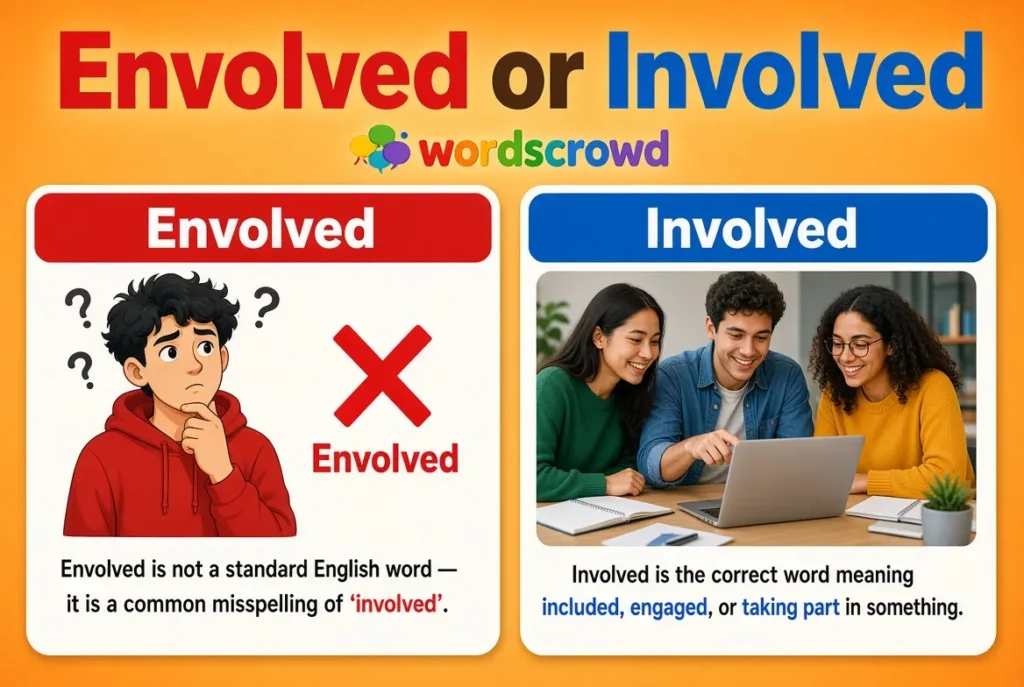
Have you ever typed “envolved” and wondered whether it is actually a word? You are not alone. The confusion usually happens because involved is pronounced in a way that can make the spelling feel less obvious, especially for English learners and people writing quickly. The good news is simple: involved is the standard English word you want in modern English. Envolved is not the standard spelling of the word meaning “taking part,” “included,” “connected,” or “complicated.” Major English dictionaries list involved as the past tense and past participle of involve, and also as an adjective. So if you are writing … Read more
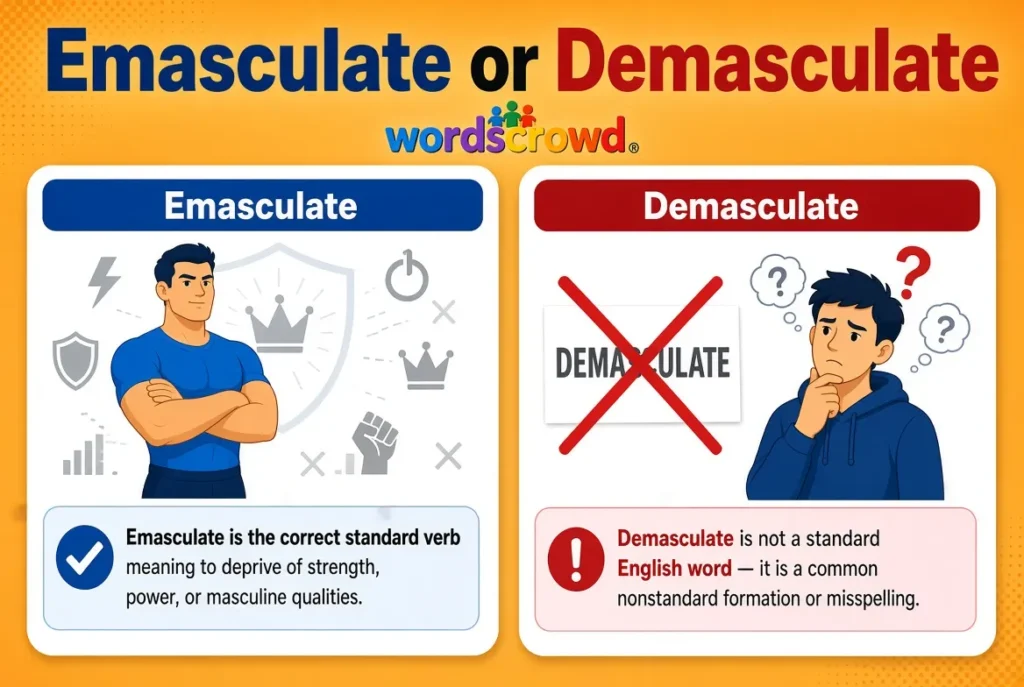

Emasculate or Demasculate: Which Is Correct?

Emasculate or demasculate? If you have seen both forms and wondered whether they mean the same thing, you are not alone. The confusion usually comes from the prefix de-, which often appears in English words to suggest removal, reversal, or reduction. Because of that familiar pattern, demasculate can look like a perfectly reasonable alternative to emasculate. But there is an important distinction: emasculate is the established standard English word, while demasculate is not the normal standard form you should choose in careful English. The verb emasculate can mean to remove or reduce a man’s masculine qualities, strength, authority, or confidence. … Read more

He Is Risen or He Has Risen? Which Is Correct?

“He is risen” or “He has risen”—which one is correct? If you have heard both expressions around Easter, in church services, in Christian writing, or in Bible quotations, you may have wondered whether one is grammatically right and the other is wrong. The confusion is understandable. In everyday modern English, we normally say “He has risen.” We use the present perfect tense to describe an action that has happened and has a result or importance in the present. So why do millions of English speakers recognize “He is risen” as a perfectly meaningful expression? The answer lies in the history … Read more

Lunchtime or lunch time: Which Is Correct?

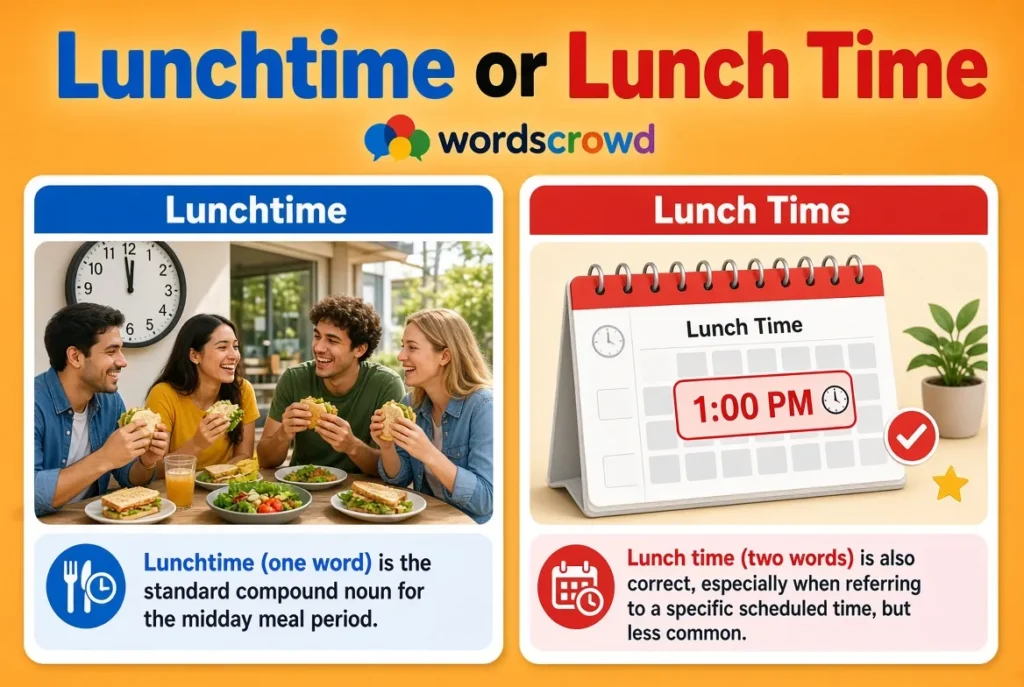
Lunch is simple. The spelling of the time when you eat it is where things get surprisingly tricky. If you have ever stopped while writing an email and wondered, “Should I write lunchtime or lunch time?”, you are not alone. Both forms can be found in English, which makes the choice even more confusing. Major dictionaries treat lunchtime as an established noun, while lunch time also appears as an alternative form in some dictionaries. Collins, for example, lists lunch time alongside lunchtime, while Oxford and Cambridge use lunchtime as their main headword. The good news is that you do not … Read more

Disfunction or Dysfunction: Which Spelling Is Correct?

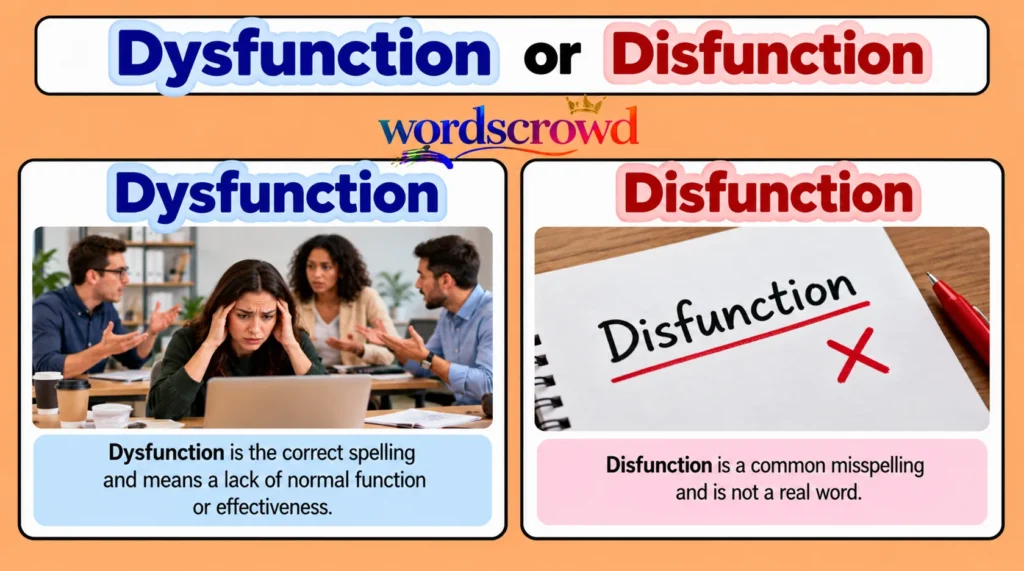
Have you ever written “disfunction” and wondered whether something looked slightly off? You are not alone. The spelling disfunction is easy to produce because the prefix dis- is common in English, and many familiar words begin with it. However, when you mean a problem with the normal working of a system, body part, organization, or process, the standard modern spelling is dysfunction. That small difference—dis- versus dys-—can cause a surprisingly large amount of confusion. Both forms look plausible, and their pronunciation is close enough that hearing the word does not always help you choose the correct spelling. So, is it … Read more

Gases or Gasses: Which Spelling Is Correct?

Is it gases or gasses? If you have ever written about oxygen, carbon dioxide, greenhouse emissions, or another substance in the gas state, you may have paused at this surprisingly tricky spelling choice. At first glance, gasses can look like a simple spelling mistake. After all, most people learn that the plural of gas is gases. But English is rarely that tidy. Both gases and gasses appear in dictionaries, and both can be correct—but they do not always serve the same grammatical purpose. The confusion becomes even greater because gas can function as both a noun and a verb. As … Read more

Agreed or Agree: Which One Should You Use?

English can be surprisingly tricky when two forms come from the same verb. Agreed or agree is a perfect example. Both words are correct, both are extremely common, and both come from the same verb—but they do not always work in the same sentence. The confusion usually appears when someone wants to say that they share an opinion, accept a suggestion, or have reached a decision. Should you write “I agree” or “I agreed”? Is “agreed” simply a more formal version of “agree”? Can you say “Agreed!” by itself? And why does changing one word sometimes change the entire time … Read more

Sweetie or Sweety or Sweatie: Which Is Correct?

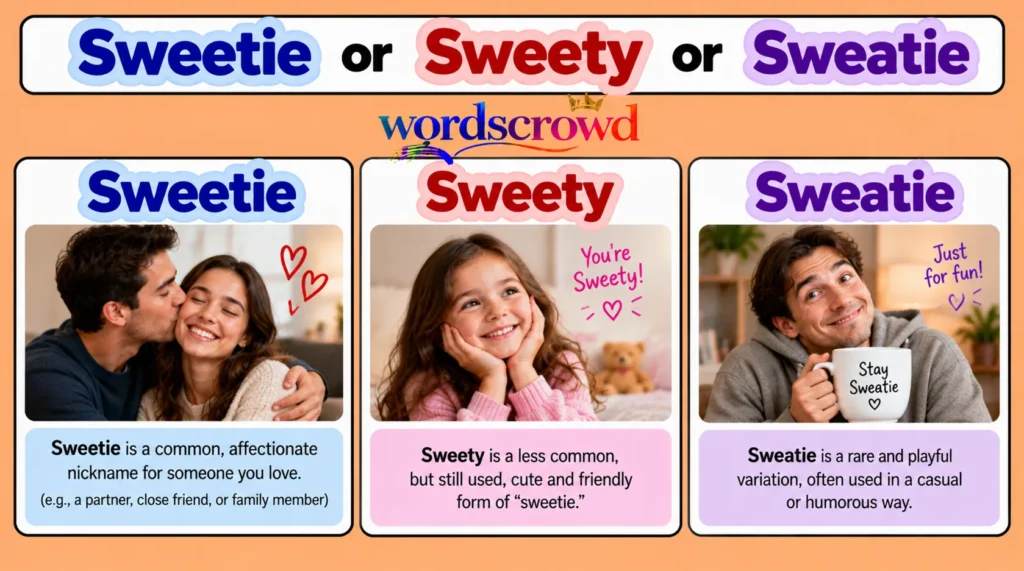
Have you ever typed “sweetie,” “sweety,” or “sweatie” and suddenly wondered whether you chose the right spelling? You are not alone. These three forms look almost identical, and they sound nearly the same when spoken. That makes this a surprisingly common English spelling question. The good news is that the answer is fairly simple: sweetie is the standard and safest spelling, while sweety is also a legitimate alternative spelling. Sweatie, however, is generally not the spelling you want when you mean a person you love, a kind person, or a friendly term of address. Major dictionaries support this distinction. Merriam-Webster … Read more

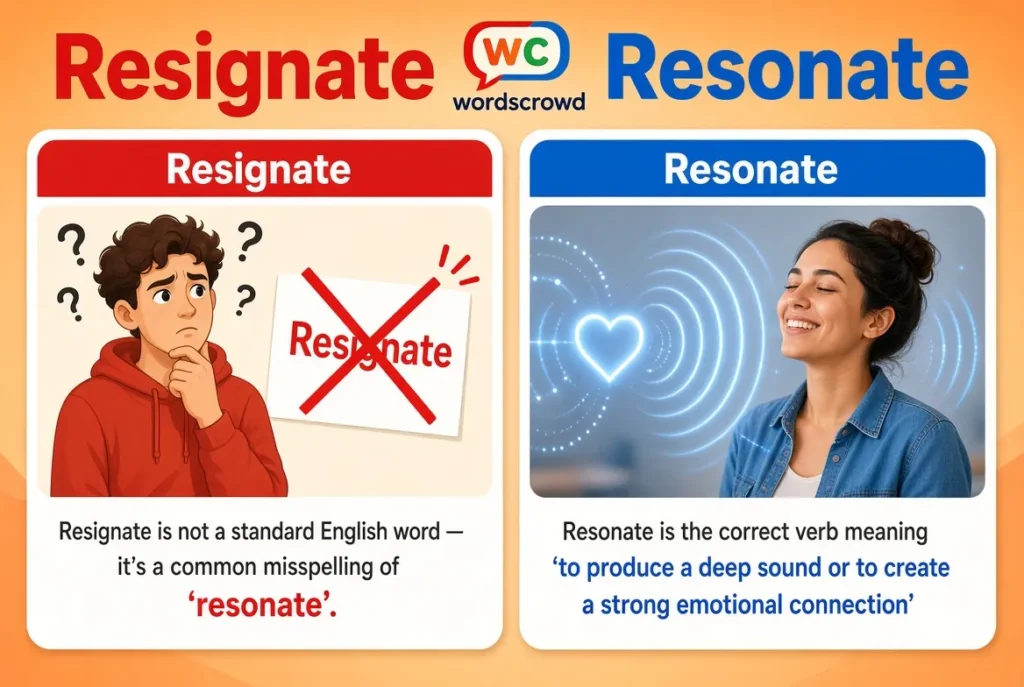
Resignate or Resonate? Which Word Is Correct?

Have you ever written “resignate” and then stopped to wonder, “Wait—is that actually the right word?” You are not alone. The confusion between resignate or resonate is surprisingly common because the two words look and sound similar, especially when spoken quickly. But there is an important difference: resonate is the standard English word used when something creates a strong emotional, personal, intellectual, or auditory effect. For example, you can say, “Her story resonated with me” or “The music resonated throughout the hall.” Major dictionary sources recognize resonate as an established English verb. Resignate, on the other hand, is not the … Read more

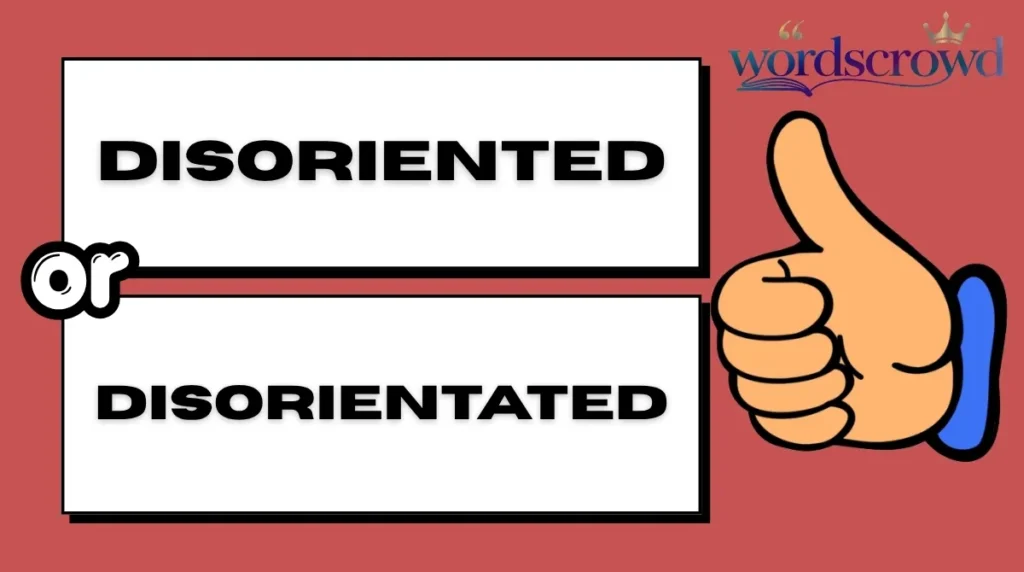
Disoriented or Disorientated: Which Is Correct?

Have you ever written “I felt disoriented” and wondered whether it should be “I felt disorientated” instead? You are not alone. These two forms look almost identical, sound similar, and describe essentially the same experience: being confused, lost, or unsure of where you are or what to do. The good news is that both “disoriented” and “disorientated” are correct English. The main difference is not meaning but regional preference. Disoriented is especially common in American English, while disorientated is especially common in British English. Both forms are recognized by major dictionaries, and neither should automatically be treated as a spelling … Read more